
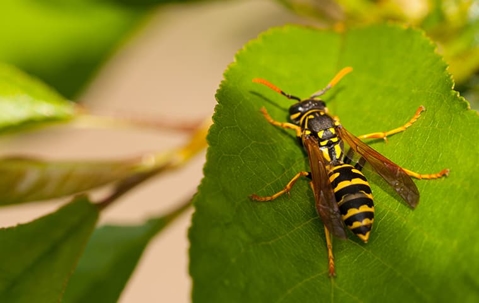
The Complete Homeowner's Guide to Stinging Insects in Chester County, PA
Every summer, homeowners throughout Downingtown, West Chester, Coatesville, Malvern, Exton, Chester Springs, and across Chester County begin noticing an increase in stinging insect activity. While seeing a few wasps around your home is normal, discovering a nest near your front door, deck, shed, or landscaping can quickly become a safety concern.
At Budget Exterminating, one of the busiest parts of our season is responding to calls for stinging insect nests. While many people refer to every flying insect as a "bee," the majority of service calls we receive involve four primary species:
- Yellow Jackets
- Bald-Faced Hornets
- European Hornets
- Paper Wasps
Each species behaves differently, builds unique nests, and requires a different approach for safe removal. Understanding these differences can help you identify potential problems early and know when it's time to call a professional.
Why Stinging Insects Become More Active in Summer
Most stinging insects emerge in the spring when a fertilized queen begins building a new colony. Throughout the summer, the colony grows as worker insects expand the nest and search for food.
By late summer, colonies are at their largest. This is when homeowners typically notice a sharp increase in activity around patios, trash cans, grills, landscaping, and outdoor gatherings.
Late summer is also when many species become more defensive. As natural food sources begin to decline and colonies reach peak population, they are far more likely to sting if they believe their nest is threatened.
This is why August and September are often the busiest months for professional stinging insect removal in Chester County.
Yellow Jackets
If there is one stinging insect that causes the most problems for homeowners in southeastern Pennsylvania, it's the yellow jacket.
Yellow jackets are small but extremely aggressive. Unlike honey bees, they can sting multiple times and will aggressively defend their colony if disturbed.
How to Identify Yellow Jackets
- Bright yellow and black coloring
- Smooth, shiny body
- Approximately ½ inch long
- Fast, direct flight pattern
Where They Nest
One reason yellow jackets are so dangerous is that their nests are often hidden.
Common nesting locations include:
- Underground rodent burrows
- Landscape beds
- Retaining walls
- Beneath decks
- Wall voids
- Crawl spaces
- Around foundations
Many homeowners don't realize a nest exists until they accidentally mow over it or walk too close.
Why They're Dangerous
Yellow jackets communicate with one another when threatened. Once one worker detects danger, it releases alarm pheromones that can trigger the rest of the colony to attack.
It's not uncommon for multiple yellow jackets to sting at once when a nest is disturbed.
Coming Soon: Our complete guide to Yellow Jackets in Pennsylvania.
Bald-Faced Hornets
They're known for building the large gray paper nests often seen hanging from trees or on structures.
Identification
- Black body with white facial markings
- Approximately ¾ inch long
- Large football-shaped nests
Common Nest Locations
- Trees
- Shrubs
- Utility poles
- Decks
- Overhangs
- Rooflines
Their nests can grow to the size of a basketball—or even larger.
Aggression
Bald-faced hornets are extremely defensive of their nests. Simply walking too close can trigger an aggressive response.
Because their nests are exposed, homeowners sometimes attempt to remove them with aerosol sprays. Unfortunately, this often results in dozens or even hundreds of hornets defending the colony.
Coming Soon: Bald-Faced Hornet Identification and Removal Guide.
European Hornets
European hornets are the largest stinging insects commonly found in Pennsylvania.
Their size often alarms homeowners, but they are generally less aggressive than yellow jackets unless their nest is disturbed.
Identification
- Large, robust body
- Brown and yellow coloring
- Up to 1½ inches long
Where They Nest
European hornets prefer enclosed spaces such as:
- Hollow trees
- Wall voids
- Attics
- Barns
- Sheds
- Chimneys
One unique behavior is that they are active after dark and are attracted to outdoor lights. Many homeowners first notice them flying around porch lights or windows at night.
Coming Soon: Everything You Need to Know About European Hornets.
Paper Wasps
Paper wasps are among the most common stinging insects around homes in Chester County.
Fortunately, they are usually the least aggressive species we encounter.
Identification
- Long, slender body
- Narrow waist
- Legs hang while flying
Nest Appearance
Paper wasps build small umbrella-shaped nests with exposed honeycomb cells.
You'll commonly find them:
- Under eaves
- Porch ceilings
- Deck railings
- Light fixtures
- Mailboxes
- Outdoor furniture
While they are less aggressive than yellow jackets or bald-faced hornets, they will defend their nest if disturbed.
How to Tell the Difference
Species | Typical Nest | Aggression Level |
Yellow Jackets | Underground or wall voids | Very High |
Bald-Faced Hornets | Hanging paper nests in trees | Extremely High |
European Hornets | Hollow trees and wall voids | Moderate |
Paper Wasps | Small umbrella nests | Low to Moderate |
Knowing what you're dealing with helps determine the safest course of action. However, if you're unsure of the species, it's always safest to keep your distance and have the nest evaluated.
Should You Remove a Nest Yourself?
Many over-the-counter wasp sprays advertise instant results, but they don't always solve the problem.
DIY removal can be especially dangerous when:
- The nest is underground.
- The nest is inside a wall.
- You don't know how large the colony is.
- There are multiple nest entrances.
- The nest is high off the ground.
- Children or pets are nearby.
A failed removal attempt often leaves an agitated colony that is even more defensive than before.
Professional treatment allows the entire colony to be addressed while minimizing the risk of multiple stings.
How to Reduce Stinging Insect Activity Around Your Home
While no home is completely immune to stinging insects, a few preventative steps can make your property less attractive.
- Keep trash cans tightly sealed.
- Clean grills after use.
- Pick up fallen fruit from trees.
- Repair damaged siding and soffits.
- Seal openings around utility lines.
- Inspect decks, sheds, and playsets regularly.
- Remove old nests during the winter when they're inactive.
- Schedule routine exterior inspections if you've had recurring issues.
Early detection is one of the best ways to prevent a small nest from becoming a large colony.
When Should You Call a Professional?
You should consider professional removal if:
- You find an underground nest.
- The nest is inside your home or walls.
- Activity suddenly increases around your property.
- Someone in your household has a sting allergy.
- The nest is difficult to reach safely.
- You're unsure which species you're dealing with.
Waiting too long can allow colonies to grow significantly, making removal more difficult and increasing the risk of painful stings.
Professional Stinging Insect Removal in Chester County
At Budget Exterminating, we provide professional stinging insect control throughout Downingtown, West Chester, Coatesville, Malvern, Exton, Chester Springs, Glenmoore, Phoenixville, Kennett Square, and the surrounding Chester County communities.
Our technicians identify the species, locate the nest, and use professional treatment methods designed to eliminate the colony safely and effectively.
Whether you're dealing with an underground yellow jacket nest, a bald-faced hornet nest in a tree, European hornets inside a wall void, or paper wasps under your porch roof, we're here to help.
If you've noticed increased stinging insect activity around your home or business, don't wait until someone gets stung. Contact Budget Exterminating for a professional inspection and treatment recommendation.
Frequently Asked Questions
What is the most aggressive stinging insect in Pennsylvania?
Yellow jackets are generally considered the most aggressive species encountered around homes, especially when their nest is disturbed.
Are bald-faced hornets actually hornets?
No. Despite their common name, bald-faced hornets are a type of yellow jacket.
Why are yellow jackets worse in late summer?
Their colonies are at maximum size, natural food sources begin to decline, and workers become much more defensive as they protect the colony.
Are paper wasps dangerous?
Paper wasps are typically less aggressive than yellow jackets, but they will sting if they feel their nest is threatened.
Should I remove a nest at night?
Although some species are less active after dark, attempting to remove a nest yourself is still risky. Hidden nest entrances, large colony sizes, and improper treatment can lead to dangerous situations.
Do stinging insects return to the same nest every year?
No. Most colonies die off after the first hard frost. However, new queens often build nests in the same favorable locations year after year, which is why recurring activity around a home is common.